Sciatica After a Car Accident: Symptoms, Non-Surgical Treatment & When to See a Dallas Pain Doctor

Yes — an injury from a car accident can contribute to sciatica. An injured disc or other problem affecting a nerve can cause pain that travels down the leg. Symptoms may start suddenly or develop gradually. An examination is needed to find the cause; the timing of pain alone cannot prove that a crash caused it.
If you were rear-ended and your leg now burns, tingles or feels weak, do not dismiss the change simply because you felt okay at the scene. This guide explains the symptoms to watch for, how doctors evaluate them, and what non-surgical care may involve. It is general education, not a diagnosis or medical or legal advice.
Can a Car Accident Cause Sciatica?
Sciatica describes pain and sometimes numbness, tingling or weakness along the path of the sciatic nerve. It is a symptom of an underlying problem, not a diagnosis by itself. Often, irritation begins at a nerve root in the lower back rather than in the leg where pain is felt.
Injuries can contribute to sciatica. A herniated disc may press on a spinal nerve root, and a pelvic injury or fracture can affect nearby nerves. Muscle-related problems, including piriformis syndrome, can also irritate the sciatic nerve outside the spine. Not every sore muscle causes sciatica, and not every case after a collision is a new injury: existing disc or spine problems may also be involved.
For an overview of causes and symptoms, see MedlinePlus: Sciatica. Your clinician will consider both the collision and your previous health history rather than assuming a single explanation.
Why Symptoms May Be Noticed Later
Sciatica symptoms can begin suddenly or gradually. New symptoms noticed after an accident deserve attention, even if an earlier assessment was reassuring. There is no fixed number of hours or days that confirms a crash-related nerve injury, and later pain does not automatically mean permanent nerve damage.
An emergency visit addresses the findings present at that time. If your symptoms change afterward, contact a clinician again. Record when pain started, where it travels, and whether you have numbness or weakness. Bring any discharge instructions and imaging reports. This helps the next clinician understand what has changed without relying on memory alone.
Our existing page explains care after a motor vehicle accident. Seek emergency assessment rather than waiting for an office visit if any of the warning signs below develop.
Symptoms to Watch For
- Shooting, burning or electric-shock-like pain from the lower back or buttock down one leg
- Tingling, pins and needles, or numbness in the leg or foot
- Weakness, difficulty lifting the front of the foot, or a change in walking
- Pain that changes with sitting, bending, coughing or sneezing
Back pain may accompany sciatica, but leg symptoms can be more noticeable. Similar symptoms can come from hip problems, muscle injuries or peripheral neuropathy. Avoid trying to diagnose yourself based only on where the pain is felt. New or worsening weakness after a collision needs prompt medical assessment.
When It Is an Emergency
Go to the emergency room immediately for new difficulty urinating, loss of bladder or bowel control, or numbness around the groin, genitals or inner thighs (the saddle area). Severe or worsening weakness in both legs also needs emergency care. These can be signs of serious nerve compression, including cauda equina syndrome. Do not wait for a routine appointment.
The NHS sciatica guidance explains these emergency symptoms and when to seek medical care.
How a Pain Doctor Evaluates It
An evaluation generally starts with your symptoms, the accident history, previous back problems and medications. A clinician may check walking, strength, sensation and reflexes, and perform a straight-leg-raise test. This examination helps assess whether a nerve is involved and whether urgent investigation is needed.
MRI is not necessary for every person with sciatica. A doctor may recommend imaging when the examination, significant trauma, persistent symptoms or warning signs make it useful. Other tests may be considered if the diagnosis remains unclear. The appropriate investigation depends on your circumstances; a scan alone does not establish when a disc problem began.
Read more about assessment in AAOS OrthoInfo: Sciatica. Bring existing scans and reports so your clinician can review them before deciding whether further testing is needed.
For a first visit, bring your medication list, any ER or urgent-care records, and a short symptom timeline. Mention whether pain affects sleep, driving, work or walking. Ask what the likely cause is, what changes should trigger urgent care, and when you should return if symptoms are not improving.
Non-Surgical Treatment Options
Many people improve without surgery, but recovery is not the same for everyone. Treatment depends on the cause, examination findings and how symptoms affect daily life. After a crash, have a clinician assess possible injuries before starting stretches, spinal manipulation or a new exercise routine.
Movement and Physical Therapy
Once it is safe, gentle activity is usually preferable to prolonged bed rest. A physical therapist can guide exercises to improve movement and strength and help you return to everyday activities. Heat or cold may help discomfort. Avoid forcing movements that worsen numbness or weakness, and ask for advice if activity causes a significant change in symptoms.
Medication
Medication may be considered alongside activity and rehabilitation. Anti-inflammatory medicines are not suitable for everyone, and their benefit for sciatica is uncertain. Kidney disease, ulcers, blood thinners and other medicines can affect safety. Ask a clinician or pharmacist before using them; do not increase doses or combine products without advice.
Injections and Targeted Procedures
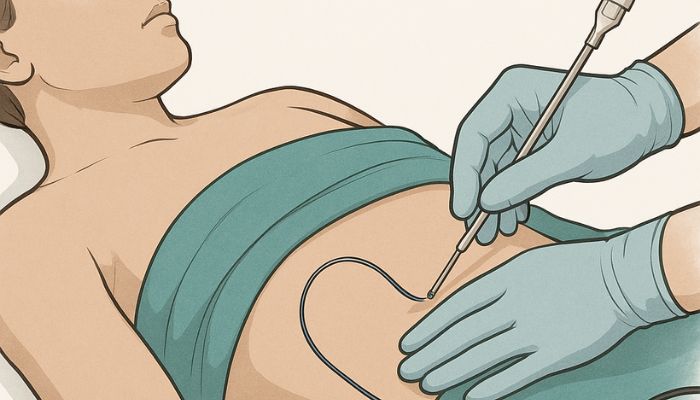
An epidural steroid injection may be considered for selected patients to reduce inflammation around an irritated nerve root. A targeted nerve block may be discussed depending on the diagnosis. These procedures do not guarantee lasting relief or repair every underlying problem. Your doctor should explain the goal, risks, alternatives and how a procedure fits with rehabilitation.
For a general explanation of treatment options, see Mayo Clinic: Sciatica diagnosis and treatment. Surgery may be considered for particular causes, persistent disabling symptoms or serious nerve compression, rather than as the default treatment.
Letter of Protection and Accident-Related Care
If an attorney is involved after an accident, you may hear about a Letter of Protection, or LOP. It is an arrangement concerning payment for medical care connected with a claim. It is not health insurance or a guarantee that treatment will be free. Eligibility, billing responsibilities and the terms of any arrangement should be clarified before care begins.
Read the clinic’s existing Letter of Protection page and contact the office to discuss whether an arrangement is available for your situation. Your attorney should explain legal questions and any obligations; this article does not offer legal advice.
Frequently Asked Questions
How long after a car accident can sciatica appear?
Symptoms can start suddenly or develop gradually. There is no reliable onset window that proves a crash caused sciatica. If back pain, tingling or leg pain develops after a collision, tell a clinician when the crash happened and when each symptom started.
What should you avoid doing with sciatica?
Avoid prolonged bed rest, pushing through worsening weakness, or treating new symptoms after a crash without an assessment. Once serious injury has been ruled out, gentle activity is usually encouraged. Ask your clinician which movements are safe for your injury.
How do you know if you have nerve damage from a car accident?
Numbness, tingling, burning pain or weakness can suggest a nerve problem, but symptoms alone do not confirm nerve damage or its cause. A clinician checks strength, sensation and reflexes and may recommend imaging or nerve testing if needed.
What is commonly mistaken for sciatica?
A hamstring injury, hip problem or peripheral neuropathy can cause overlapping symptoms. Piriformis syndrome can also irritate the sciatic nerve outside the spine. An examination helps distinguish these problems from irritation of a spinal nerve root.
Will sciatica after an accident go away on its own?
Many people improve with time and non-surgical care, but recovery depends on the cause and severity. Do not assume symptoms after a crash will resolve without an assessment. Seek care for worsening symptoms or pain that limits everyday activities, and emergency care for bladder or bowel changes or saddle numbness.
When to See a Dallas Pain Specialist
Arrange an evaluation for persistent, worsening or activity-limiting back or leg symptoms after a collision; use emergency care for the warning signs described above. Spine & Pain Institute of Texas is at 3503 W Wheatland Rd, Suite 100, Dallas, TX 75237. Call (469) 313-0040 to ask about appointment availability and any LOP arrangements.
Learn about Dr. Pritesh Patel on the existing doctor page.
To request an appointment or ask the office a question, use our contact page. Do not use website forms for emergencies.
Additional Medical Reference
For a clinical overview of causes, assessment and treatment, see NCBI Bookshelf: Sciatica. These references provide general guidance, not confirmation of the cause of an individual patient’s symptoms.
Need help with your pain in Dallas?
Our specialists at Spine & Pain Institute of Texas are here to help.
Contact Us