
What Is Interventional Pain Management?
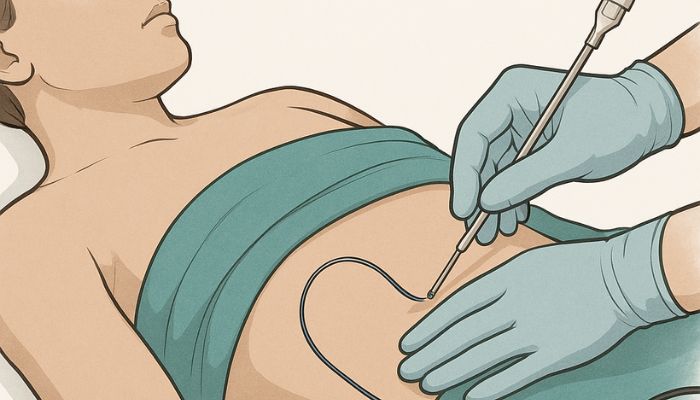
If you have lived with back, neck or nerve pain for months, you may have heard the term "interventional pain management" from your primary care doctor, a physical therapist or a friend. It can sound technical, but the idea is simple: find out exactly where the pain is coming from, then treat that source directly, often without surgery.
This guide explains what interventional pain management is, what an interventional pain management doctor does, which conditions and procedures are commonly involved, and what to expect if you decide to see a specialist in Dallas.
What Is Interventional Pain Management?
Interventional pain management is a medical specialty focused on diagnosing and treating pain using targeted, minimally invasive techniques. Instead of relying only on medication to dull pain throughout the body, an interventional approach aims to identify the specific nerve, joint, disc or muscle causing the problem and treat it at that location.
It usually sits between conservative care (rest, medication, physical therapy) and surgery. For many patients, it is a way to reduce pain and improve function when basic treatments have not been enough, but surgery is not needed or not wanted.
What Does an Interventional Pain Management Doctor Do?
An interventional pain specialist is a physician with advanced training in pain medicine. Their work typically includes:
- Diagnosis: reviewing your history, examining you and, when needed, ordering or reviewing imaging such as X-rays or MRI to narrow down the pain source.
- Diagnostic procedures: some injections are used to confirm which structure is causing pain. If numbing a specific nerve or joint relieves the pain, that helps guide treatment.
- Treatment procedures: performing targeted, image-guided procedures to reduce inflammation or interrupt pain signals.
- Coordinating care: working alongside physical therapy, rehabilitation and, when appropriate, surgical colleagues.
- Monitoring progress: adjusting the plan based on how you respond.
You can read about the background and training of our physician on the Dr. Pritesh Patel page.
Common Conditions Treated
Interventional pain management is commonly used for pain that has lasted weeks or months, including:
- Lower back pain and upper back pain
- Neck pain
- Sciatica and pain that travels down the leg
- Herniated or bulging discs
- Spinal stenosis
- Arthritis of the spinal (facet) joints
- Nerve pain and neuropathy
- Pain after motor vehicle accidents or work injuries
If your main concern is your back, see our page on back pain diagnosis and treatment in Dallas.
Common Interventional Spine Procedures
Not every patient needs a procedure, and the right option depends on your diagnosis. Interventional spine procedures that are commonly used include:
- Epidural steroid injections: medication placed near irritated spinal nerves to reduce inflammation, often used for sciatica or disc-related pain.
- Facet joint injections and medial branch blocks: used to diagnose and treat pain coming from the small joints of the spine.
- Radiofrequency ablation: uses heat to quiet the small nerves that carry pain signals from certain joints, typically considered after a successful diagnostic block.
- Nerve blocks: targeted injections that interrupt pain signals from a specific nerve.
- Trigger point injections: used for tight, painful knots in muscles.
- Spinal cord stimulation: a device that changes how pain signals reach the brain, generally considered for long-standing pain when other treatments have not helped.
Most of these procedures are performed on an outpatient basis. Like any medical treatment, they carry possible risks and side effects, and results vary from person to person. Your doctor should explain the benefits, risks and alternatives before you decide.
What to Expect at Your First Visit
A first appointment with a pain management doctor is mostly about understanding your pain. You can expect:
- Questions about when the pain started, where it is, what makes it better or worse, and how it affects daily life.
- A review of treatments you have already tried and any medications you take.
- A physical and neurological exam, such as checking movement, strength, reflexes and sensation.
- A review of existing imaging, or a recommendation for new imaging if it would change the plan.
- A discussion of possible causes and treatment options, so you can decide together.
It helps to bring a list of your medications, any previous imaging reports, and notes about your symptoms. If your pain is related to an accident or work injury, bring any claim or case details you have.
When to See a Pain Management Doctor
It may be time to see a pain management doctor if:
- Your pain has lasted longer than a few weeks and is not improving.
- Rest, over-the-counter medication or physical therapy have not given enough relief.
- Pain spreads into your arms or legs, or comes with numbness or tingling.
- Pain is affecting your sleep, work or ability to do everyday activities.
- You want to explore options before considering surgery.
- You were injured in a car accident or at work and are still in pain.
Seek emergency care right away for severe pain after a major fall or collision, new weakness in the legs, loss of bladder or bowel control, numbness in the groin area, or back pain with fever. These can be signs of a serious problem that needs immediate attention.
Why Treatment Should Be Personalized
Two people with the same diagnosis can respond very differently to the same treatment. A good interventional plan is built around your diagnosis, your health history, your goals and how your body responds. It often combines more than one approach, such as a targeted procedure to reduce pain plus physical therapy to build strength and prevent the problem from returning.
The goal is not only less pain, but better function: walking, working, sleeping and moving more comfortably.
Learn more about our approach to pain management in Dallas.
Frequently Asked Questions
Is interventional pain management the same as surgery?
No. Interventional procedures are minimally invasive, usually done with a needle under image guidance, and most patients go home the same day. They are often used to avoid or delay surgery, though they are not a replacement for surgery in every case.
Do I need a referral to see a pain management doctor?
It depends on your insurance plan. Some plans require a referral and others do not. Our team can help you check before your visit.
Will I need an injection at my first visit?
Not necessarily. The first visit focuses on evaluation and diagnosis. Any procedure is discussed with you first, and you decide whether to go ahead.
How long does relief from a procedure last?
It varies by procedure, condition and person. Some patients get lasting relief, others need repeat treatment or a different approach. Your doctor can explain what is realistic for your situation.
Is interventional pain management only for back pain?
No. While spine-related pain is common, it is also used for neck pain, nerve pain, joint pain, headaches and pain after injuries.
Talk to a Pain Specialist in Dallas
If pain is limiting your life, an evaluation with an interventional pain specialist can help you understand what is causing it and which options make sense for you. The Spine & Pain Institute of Texas sees patients from Dallas and the surrounding area. Call (469) 313-0040 or contact us to request an appointment.
Need help with your pain in Dallas?
Our specialists at Spine & Pain Institute of Texas are here to help.
Contact Us